One farm.
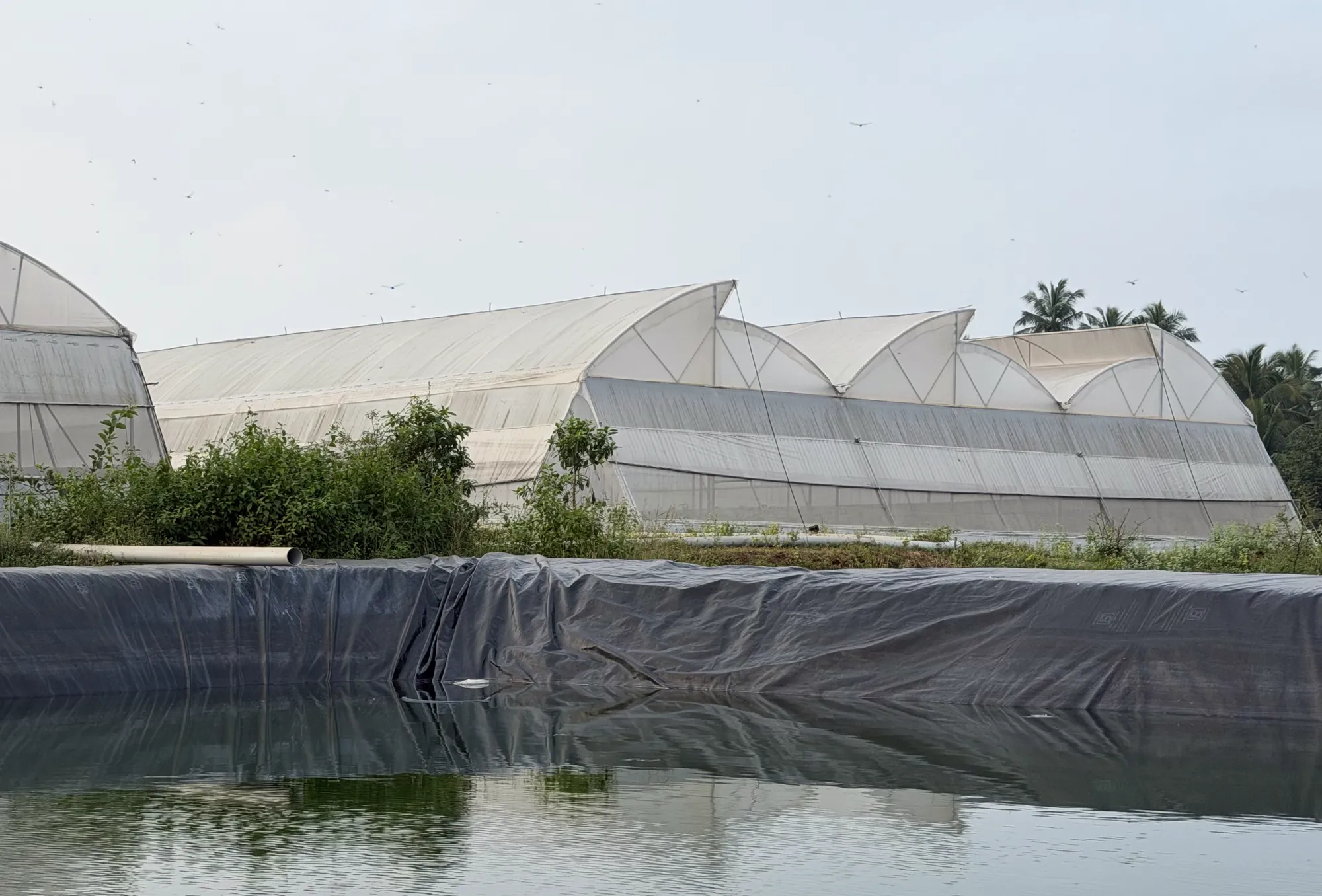
We started as a single hydroponic farm at Madukkarai, Coimbatore, with one goal: produce that tasted the way it should, every day of the year. Our spinach, grown in NFT channels, tested at 8.7 brix against 3 to 4 in store-bought spinach. That was the whole business.
One farm is not a supply.
When we took that produce to retailers, the answer was consistent: the quality is fine, but one farm cannot give us 365 days or the volume we need. We could grow our own farm slowly, or work with other growers and grow faster. We chose the growers.
The first thing we found was the price.
Every grower we met had the same problem before any other: no buyer committed before harvest, and a price that collapsed when everyone harvested together. So the first thing we built was a choice of pricing methods, and a payment cycle a farmer could plan around. 4 farmers joined on that alone.
More farmers than we could sell for.
The pricing worked well enough that supply outran our own retail demand. We had to find buyers at a scale we had never handled. That is how the trading desk started. We did not plan it. We needed it.
The desk grew.
Five years on, as Greenzy Market Access, it buys 4.5 tonnes of cucumber a day from 53 farmers and matches it to buyers by day, grade, volume and price. At that volume, it sees prices and demand across Tamil Nadu that no single farm can see.
Then we looked at the structures.
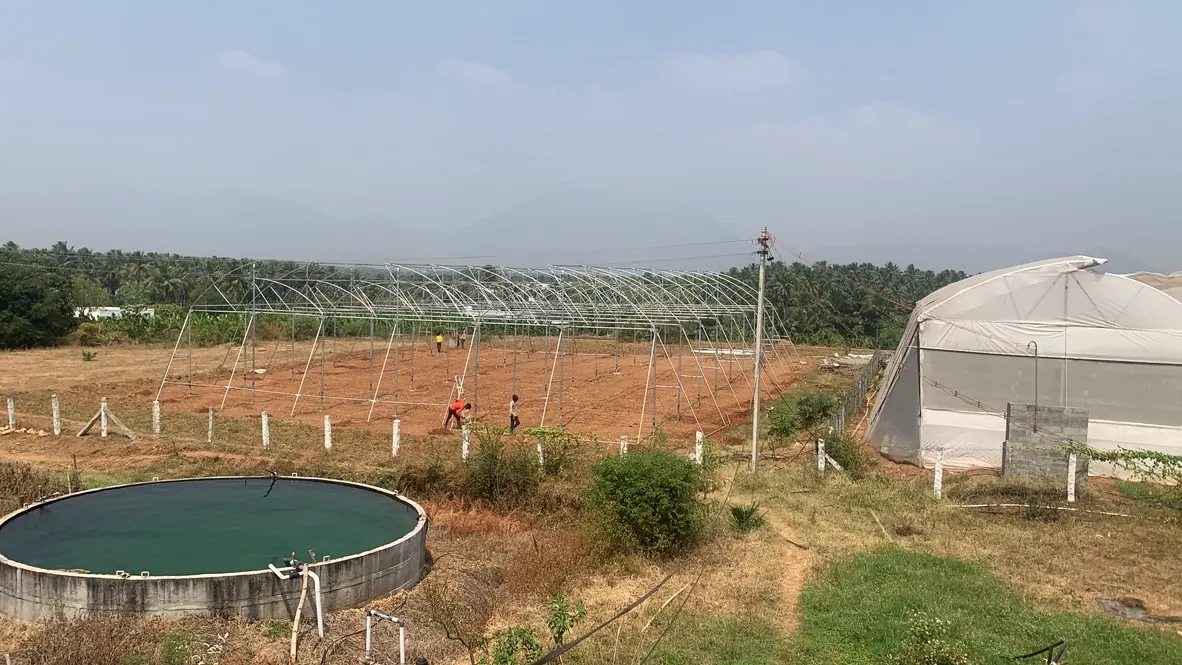
The deeper we went into farms, the more losses traced back to the building itself: film that failed early, gutters that flooded, frames that could not hold a crop load, houses that cooked in April. These losses did not show in the first season and were large by the third. So we wrote a standard for houses that have to last 10 to 15 years under rising temperatures, and started building to it ourselves. 1.25 acres delivered so far.
A good structure with no plan still fails.
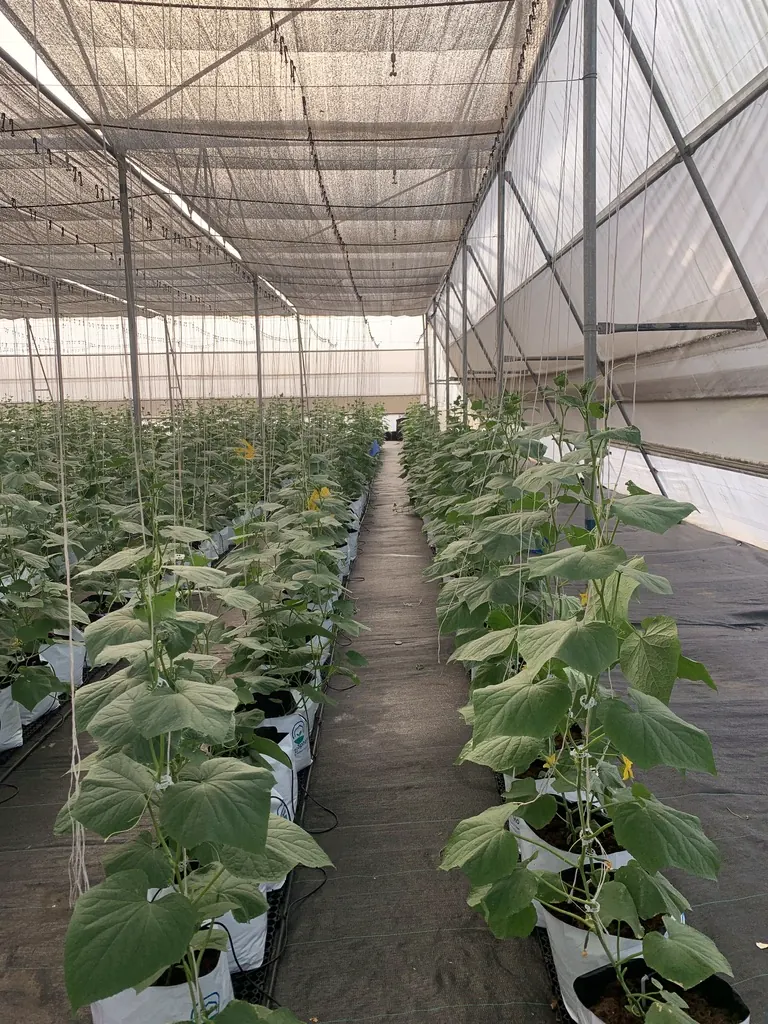
The next bottleneck was the crop itself. Farmers had the house and the seed and no one to tell them, week by week, what to feed, when to prune, how much load to carry. So we formed Hortisphere to write and run those plans from data captured on the farm. Today 4 farms run on our weekly plans.
A good plan with no hands still fails.
Then we found that a plan is no use if nobody on the farm can carry it out. Freshers did not know the work; experienced hands cost more than the crop earned. We trained a small cohort of students to run our plans. Demand for those students outran the cohort, and more kinds of people wanted to learn: first-time growers, agronomists, bankers deciding whether to fund a polyhouse, corporates, students. So we formed Prepo to train operators and agronomists, and to teach anyone who has to make decisions about protected cultivation. 133 trained so far, including interns and flagship programs; 11 placed.
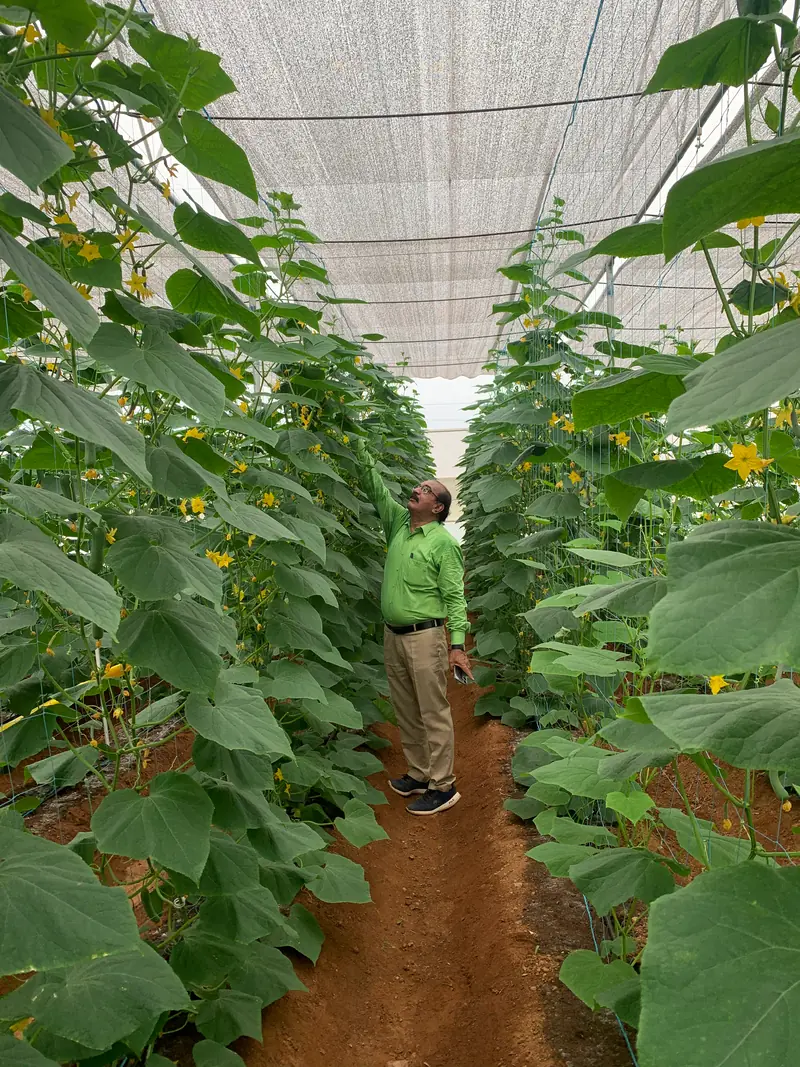
The loss you see is already old.
The last thing we learned is that by the time a farmer sees the symptom, the loss has already happened inside the plant. We are now testing whether plants can be measured before the symptom shows, to warn before the loss. It is research. There is no product yet. The first trial finished in September 2026. We publish what it has shown and what it has not.
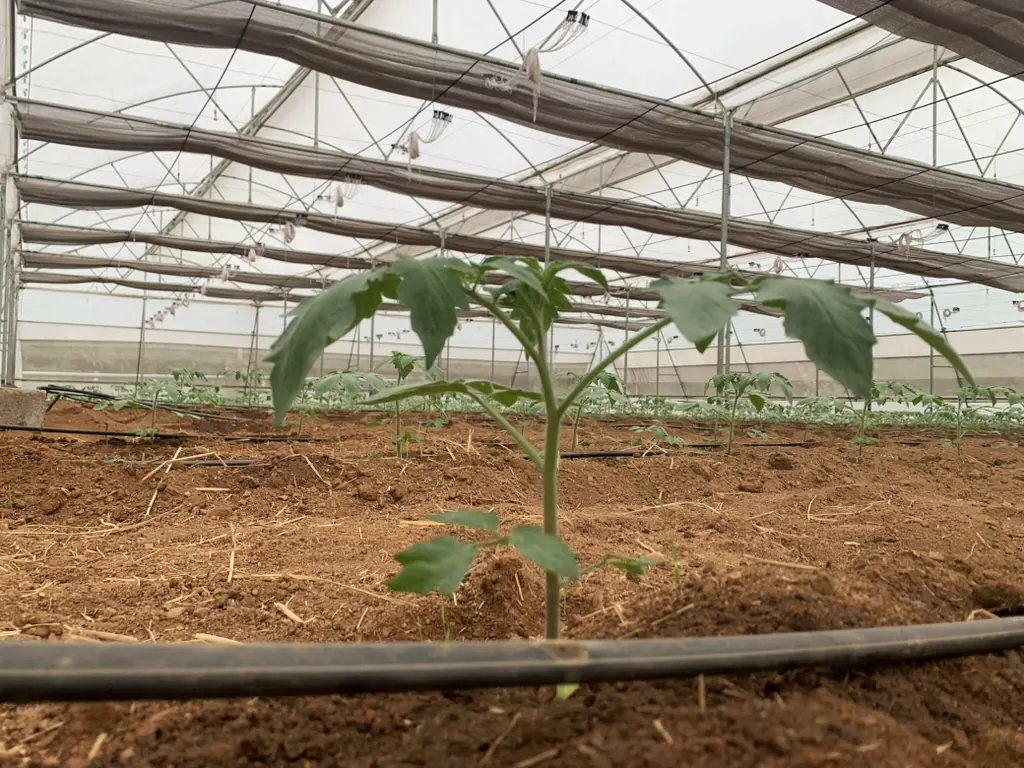
What a farmer gets today.
Today a farmer can have the site checked before spending a rupee, a structure built to a written standard, a weekly crop plan run by trained people, and a buyer and a pricing method agreed before harvest. The early warning is still research. Those are the six points, in the order a farm fails.
Where to start depends on where you are.
Thinking of building, already growing, or wanting to learn or partner.